


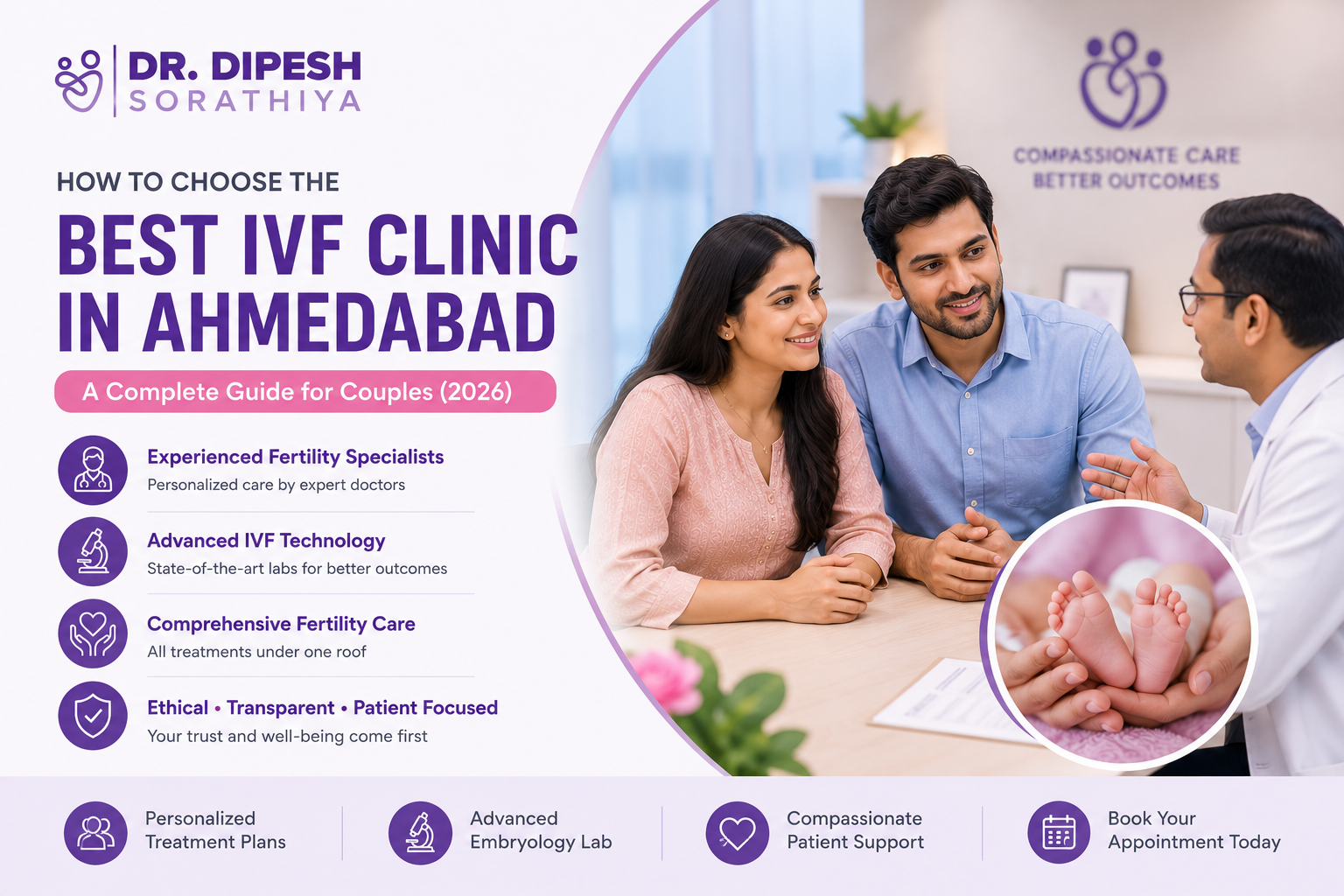
Starting a fertility journey is one of the most important
decisions a couple can make. Choosing the right IVF clinic plays a
significant role in receiving accurate diagnosis, appropriate treatment, and
compassionate support throughout the process.
With many fertility clinics offering assisted reproductive
treatments, selecting the clinic that best matches your medical needs can feel
overwhelming. While success rates and advanced technology are important,
factors such as experienced specialists, laboratory standards, personalized
care, and transparent communication also contribute to a positive treatment
experience.
This guide explains what to look for when selecting an IVFclinic in Ahmedabad and how making an informed decision can help you feel more confident throughout your fertility journey.
Why Choosing the Right IVF Clinic Matters
Infertility affects many couples, and every fertility
journey is unique. No two patients have the same diagnosis or treatment plan.
A quality IVF clinic focuses on:
- Accurate
fertility evaluation
- Personalized
treatment planning
- Evidence-based
medical decisions
- Advanced
embryology laboratory support
- Continuous
patient counselling
- Ethical
and transparent treatment
Rather than following a standard protocol for every patient, experienced fertility specialists develop treatment plans based on individual medical history, fertility evaluation, age, and reproductive goals.
What Does an IVF Clinic Do?
An IVF clinic specializes in diagnosing and treating
fertility-related conditions affecting both women and men.
Depending on the diagnosis, treatment may include:
- IVF (In Vitro Fertilization)
- IUI
(Intrauterine Insemination)
- ICSI
(Intracytoplasmic Sperm Injection)
- Egg Freezing
- Embryo
Freezing
- Fertility
Preservation
- Male
Fertility Testing
- Female
Fertility Testing
- Hormonal
Evaluation
- Ovulation
Monitoring
- Fertility
Counselling
- Preconception
Planning
- Second
Opinion Consultations
The goal is always to recommend the most appropriate treatment based on the patient's individual condition rather than moving directly to IVF.
10 Things to Consider Before Choosing an IVF Clinic
1. Experienced Fertility Specialist
The experience of the fertility specialist is one of the
most important factors.
Look for a doctor with expertise in:
- Reproductive
medicine
- IVF
- ICSI
- High-risk
fertility cases
- Recurrent
IVF failure
- Fertility
preservation
An experienced specialist can recommend treatments that are appropriate for your diagnosis and reproductive goals.
2. Comprehensive Fertility Evaluation
A reliable IVF clinic begins with understanding the
underlying cause of infertility.
This may include:
- Female
fertility assessment
- Male
fertility evaluation
- Hormone
testing
- Ultrasound
examination
- Semen
analysis
- Ovarian
reserve testing
- Medical
history review
Accurate diagnosis helps avoid unnecessary treatments and supports a personalized care plan.
3. Advanced IVF Laboratory
The embryology laboratory plays a vital role in IVF
treatment.
A modern laboratory may include:
- Controlled
air quality
- Advanced
incubators
- Time-lapse
embryo monitoring
- Blastocyst
culture
- Cryopreservation
technology
- Strict
quality control systems
These technologies help create an optimal environment for
embryo development.
4. Personalized Treatment Plans
Every couple's fertility journey is different.
Factors such as age, hormone levels, egg quality, sperm
quality, previous pregnancies, and medical history influence treatment
decisions.
A good IVF clinic tailors the treatment plan instead of following a one-size-fits-all approach.
5. Transparent Communication
Fertility treatment involves several steps, and patients
should clearly understand:
- Diagnosis
- Treatment
options
- Expected
timeline
- Risks
and benefits
- Costs
involved
- Follow-up
schedule
Open communication helps patients make informed decisions.
6. Comprehensive Fertility Services
Choosing a clinic that offers multiple fertility services
under one roof provides convenience and continuity of care.
Services may include:
- IVF
- IUI
- ICSI
- Fertility
testing
- Egg
freezing
- Embryo
freezing
- Fertility
preservation
- Counselling
7. Patient-Centered Care
The emotional aspect of infertility should never be
overlooked.
Supportive clinics focus on:
- Compassionate
consultations
- Emotional
support
- Patient
education
- Individual
attention
- Long-term
follow-up
Feeling comfortable and informed throughout treatment can make a meaningful difference to the overall experience.
8. Ethical Medical Practice
A trustworthy IVF clinic maintains transparency in
diagnosis, treatment recommendations, and expected outcomes.
Patients should receive realistic guidance rather than guarantees or misleading promises.
9. Modern Technology
Technology continues to improve fertility care.
Advanced IVF clinics may use:
- ICSI
- Blastocyst
culture
- Embryo
vitrification
- Laser-assisted
hatching (where appropriate)
- Digital
embryo monitoring
- Advanced
cryopreservation techniques
Technology should support individualized care and clinical judgment.
10. Positive Patient Experience
Patient experience extends beyond treatment itself.
Consider factors such as:
- Appointment
scheduling
- Staff
support
- Comfortable
facilities
- Clear
communication
- Accessibility
- Follow-up
care
A supportive environment helps patients feel more confident throughout their fertility journey.
Common Conditions Treated at an IVF Clinic
A fertility clinic may evaluate and manage conditions
including:
- Blocked
fallopian tubes
- PCOS
- Endometriosis
- Low
ovarian reserve
- Male
infertility
- Ovulation
disorders
- Unexplained
infertility
- Recurrent
pregnancy loss
- Age-related
fertility decline
Early diagnosis allows couples to explore suitable treatment options sooner.
Questions to Ask During Your First Fertility Consultation
Preparing questions before your consultation can help you
better understand your options.
Consider asking:
- What
is causing our fertility challenges?
- Which
tests do we need?
- Is
IVF the right option for us?
- Could
IUI or another treatment be appropriate?
- What
technologies does your laboratory use?
- How
long will treatment take?
- What
lifestyle changes can support fertility?
- What follow-up care is provided?
How Technology Supports Better Fertility Care
Modern reproductive medicine continues to evolve.
Many IVF clinics now use technologies such as:
Time-Lapse Embryo Monitoring
Continuous observation of embryo development without
disturbing the culture environment.
Blastocyst Culture
Growing embryos for additional days before transfer when
clinically appropriate.
ICSI
Injecting a single sperm directly into an egg, often
recommended for certain cases of male infertility.
Egg and Embryo Freezing
Helping preserve fertility for future family planning.
These technologies are selected based on individual medical needs rather than being necessary for every patient.
When Should You Visit an IVF Clinic?
You may benefit from consulting a fertility specialist if:
- Pregnancy
has not occurred after 12 months of regular unprotected intercourse (or
after 6 months if the woman is over 35).
- Menstrual
cycles are irregular.
- There
is a history of recurrent miscarriage.
- Male
fertility concerns are suspected.
- You
have been diagnosed with PCOS or endometriosis.
- Previous
fertility treatments have not been successful.
- You
are considering fertility preservation before medical treatment or
delaying pregnancy.
Early evaluation can help identify potential causes and guide appropriate next steps.
Why Couples Across Gujarat Choose Ahmedabad for Fertility
Care
Ahmedabad has become a preferred destination for fertility
treatment due to its experienced specialists, modern healthcare facilities, and
access to advanced reproductive technologies.
Couples from cities such as Gandhinagar, Vadodara, Surat, Rajkot, Bhavnagar, and other parts of Gujarat often visit Ahmedabad for fertility consultations and treatment.
Why Choose Dr. Dipesh Sorathiya?
Dr. Dipesh Sorathiya is a Consultant Gynecologist and IVF
Specialist dedicated to providing personalized fertility care.
Patients benefit from:
- Individualized
treatment planning
- Comprehensive
fertility evaluation
- Advanced
reproductive medicine
- Evidence-based
clinical approach
- Compassionate
patient support
- Guidance
throughout every stage of the fertility journey
The focus is on understanding each patient's unique situation and recommending the most appropriate course of care.
Frequently Asked Questions
Which is the best IVF clinic in Ahmedabad?
The best IVF clinic is one that offers experienced fertility
specialists, comprehensive diagnostic services, advanced laboratory support,
transparent communication, and personalized treatment plans tailored to your
needs.
Does every couple with infertility need IVF?
No. Many couples conceive with lifestyle changes,
medication, or treatments such as IUI. IVF is recommended only when clinically
appropriate.
What tests are performed before IVF?
Tests may include hormone evaluations, ultrasound scans,
ovarian reserve assessment, semen analysis, and a review of your medical
history.
Can male infertility be treated?
Yes. Depending on the diagnosis, treatment may involve
lifestyle modifications, medication, surgical intervention, or assisted
reproductive techniques such as ICSI.
How long does an IVF cycle take?
A typical IVF cycle generally takes several weeks, although
the exact duration depends on the individual's treatment plan.
Is age important for fertility treatment?
Yes. Age can influence egg quality, ovarian reserve, and overall fertility. Early evaluation allows couples to explore appropriate treatment options at the right time.
Conclusion
Choosing an IVF clinic is about more than technology or
facilities. It involves finding experienced professionals who provide accurate
diagnosis, personalized treatment plans, ethical medical guidance, and
compassionate support throughout your fertility journey.
If you are planning a pregnancy or experiencing fertility
challenges, consulting an experienced fertility specialist can help you better
understand your reproductive health and the treatment options available. Early
evaluation and individualized care can make an important difference in planning
the next steps toward parenthood.
